BeritaBali reports that the price of chicken meat and air transportation were key drivers of Inflation in Bali from January through August 2026, which stood at 3.45 percent year-on-year for August 2026
Data provided by the Bali Province Statistics Indonesia (BPS) on 01 September 2026 showed that Bali recorded a monthly inflation rate of 0.61 percent (month-to-month) in August 2026. This marked a reversal from July 2026, when the region experienced a deflation rate of 0.51 percent (month-to-month).
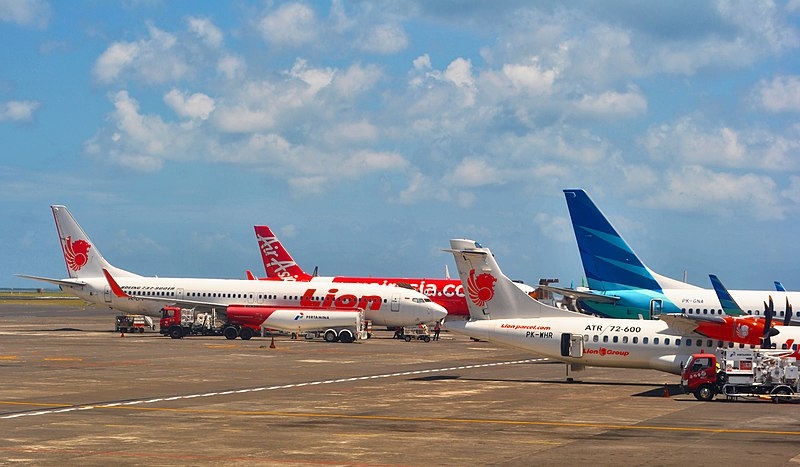
Achris Sarwani, Head of the Bank Indonesia Representative Office in Bali, stated that the rise in monthly inflation was closely linked to increased demand during the peak tourism period. The arrival of the peak season drove up demand for air travel. Price pressures were also observed in food commodities, particularly commercial chicken meat.
Demand for commercial chicken meat increased amidst a high volume of community activities, such as weddings, traditional ceremonies, and cremation rites (*ngaben*). Additionally, the normalization of demand for the Free Nutritious Meal (MBG) Program following the school holidays also contributed to pressure on food prices.
On a year-on-year basis, Bali’s inflation rose from 2.42 percent in July 2026 to 3.45 percent in August 2026.
This figure exceeds the national inflation rate of 3.19 percent. However, Bali’s inflation remains within the national target range of 2.5 percent plus or minus 1 percent. “Spatially, all Consumer Price Index (CPI) regions in Bali tracked by Bank Indonesia experienced monthly inflation in August 2026,” explained Achris in an official press statement published on Wednesday, 02 September 2026.

Inflation Rates Across Bali
- Buleleng Regency recorded the highest monthly inflation at 1.12 percent (mtm), with annual inflation reaching 3.61 percent (yoy).
- Denpasar City experienced monthly inflation of 0.65 percent (mtm) and annual inflation of 3.64 percent (yoy).
- Badung Regency recorded monthly inflation of 0.35 percent (mtm) and annual inflation of 2.86 percent (yoy).
- Tabanan Regency saw monthly inflation of 0.33 percent (mtm) and annual inflation of 3.59 percent (yoy).
Chicken Meat and Airfares Among Key Drivers
By commodity, Bali’s inflation in August 2026 was primarily driven by price increases in broiler chicken, airfares, green beans, rice with side dishes, and primary school fees. Broiler chicken prices were under upward pressure due to rising public demand, while airfares were driven higher by high mobility during the peak tourism season.
Inflationary pressure was partially mitigated by price drops in several commodities. Commodities that saw price declines included shallots, garlic, gasoline, tomatoes, and men’s T-shirts.
Measures to Keep Inflation Under Control
Bank Indonesia’s Bali Provincial Office announced that it appreciates and supports the strategic measures taken by Regional Inflation Control Teams (TPID) across Bali to maintain price stability.
One such measure involves strengthening price monitoring and intensifying market operations to keep Bali’s inflation within the target range of 2.5 percent (±1 percent).
However, certain inflation risks still need to be anticipated. One such risk is the continued high demand for goods and services during the peak season for foreign tourists, which runs from July to September.
Another risk stems from the prolonged dry season accompanied by a strong El Niño. These conditions have the potential to impact agricultural production, ultimately exerting pressure on food supplies and prices.
Persistently high global freight costs are also a concern, as they can drive up the prices of imported goods and limit efforts to enhance exports.
To strengthen inflation control, Bank Indonesia’s Bali office continues to enhance synergy and innovation with the Bali Provincial Government and regencies/city administrations.
The Regional Inflation Control Team’s (TPID) efforts focus on four key aspects—known as the “4K” framework:
- price affordability
- supply availability
- smooth distribution
- effective communication.
Implementation is carried out through TPIP-TPID inflation coordination meetings, intensification of the Affordable Food Movement (GPM), regular price monitoring, facilitation of food distribution, and optimization of inter-regional cooperation through regional food enterprises (Perumda Pangan).

Furthermore, inflation control efforts are bolstered by providing infrastructure and equipment assistance to farmer groups, coordinating among stakeholders, and disseminating information to the public.
Through these measures, Bank Indonesia’s Bali office projects that inflation in Bali throughout 2026 will remain within the national target range of 2.5 percent (±1 percent).

Related Links
Bank Indonesia Pledges to Go “All Out” to Stabilize Rupiah
Bali is the Overwhelming Main Source of RI’s Foreign Exchange
Devalued Rupiah: The Path to More Arrivals?
Stay Informed on Bali Tourism-Related News: Subscribe to Bali Update