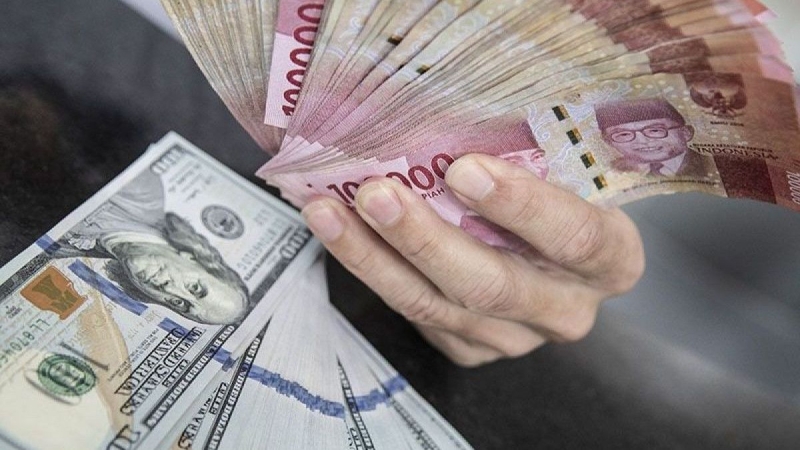
As reported by Kompas, Bali’s Governor Wayan Koster boasts that the Bali tourism industry annually generates Rp. 176 trillion in foreign exchange, an amount equivalent to 55% of Indonesia’s total foreign exchange earnings earned from tourism.
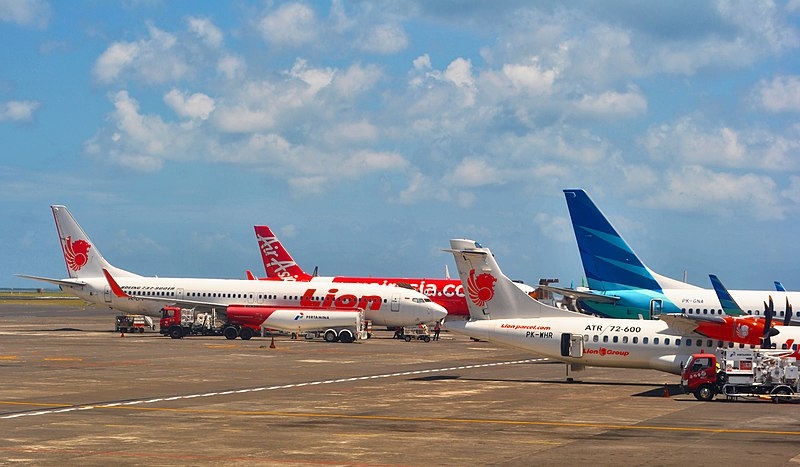
Bali Governor Wayan Koster revealed that Bali’s tourism sector generated approximately Rp. 176 trillion in foreign exchange earnings throughout 2025. This represents spending by foreign tourists visiting the Island of Bali and accounts for roughly 55 percent of Indonesia’s total tourism-related foreign exchange earnings.
”Based on our calculations, foreign tourist spending generated around Rp 176 trillion in foreign exchange. This means Bali’s contribution to Indonesia’s tourism foreign exchange earnings reached approximately 55 percent,” Koster said in a statement on Thursday, 06 August 2026.
Koster noted that Bali is a region heavily reliant on the tourism sector. Throughout 2025, more than 7 million foreign tourists arrived in Bali by air. That figure does not include tourists entering via sea or land routes. According to Koster, of more than 15 million foreign tourists to Indonesia during the same period, approximately 49 percent chose Bali as their destination.
Beyond generating foreign exchange, the tourism sector serves as the backbone of Bali’s economy. Koster stated that the sector accounts for about 66 percent of the province’s economic structure. Consequently, he argued, Bali’s economic development must not focus solely on growth but also on preserving the environment and culture.
”Because Bali relies so heavily on tourism, the economy must be safeguarded. The Island’s nature must be preserved, its people must be of high quality, and its culture must remain vibrant,” he added.

To support sustainable tourism, the Bali Provincial Government is implementing several policies, including household-based waste management, restrictions on single-use plastics, and the development of organic agriculture. Additionally, the government is promoting clean energy by halting construction of fossil-fuel power plants and expanding adoption of battery-powered vehicles. “We want Bali to be an environmentally friendly province and a model for sustainable development. Therefore, we continue to strengthen policies regarding clean energy, carbon emission reduction, and the use of more eco-friendly energy,” said Koster.
Related Links
Bank Indonesia Pledges to Go “All Out” to Stabilize Rupiah
Indonesia Targets 19.1 Million Foreign Tourists Arrivals in 2027
Bali is the Overwhelming Main Source of RI’s Foreign Exchange
Devalued Rupiah: The Path to More Arrivals?
Stay Informed on Bali Tourism-Related News: Subscribe to Bali Update