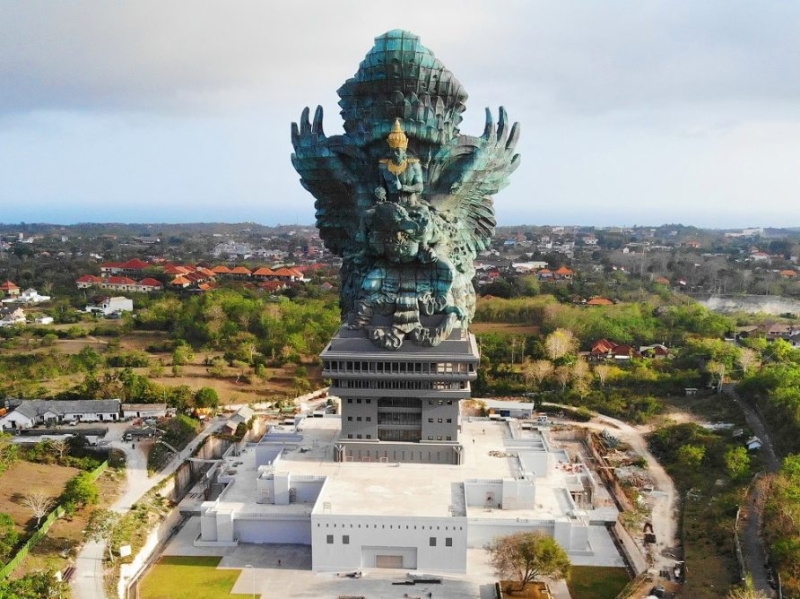
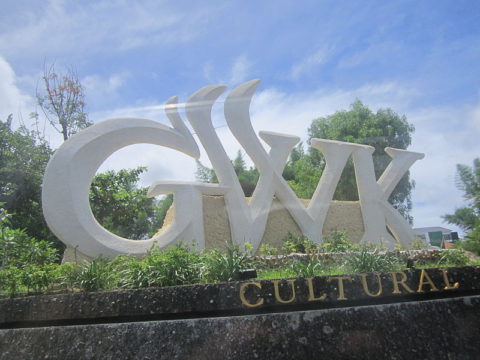
BeritaBali reports that tourist numbers visiting the Garuda Wisnu Kencana (GWK) Cultural Park in Bali during the first half of July 2026 averaged around 3,000 people per day. This figure represents a decline of approximately 20 percent compared to the same six-month period in 2025.
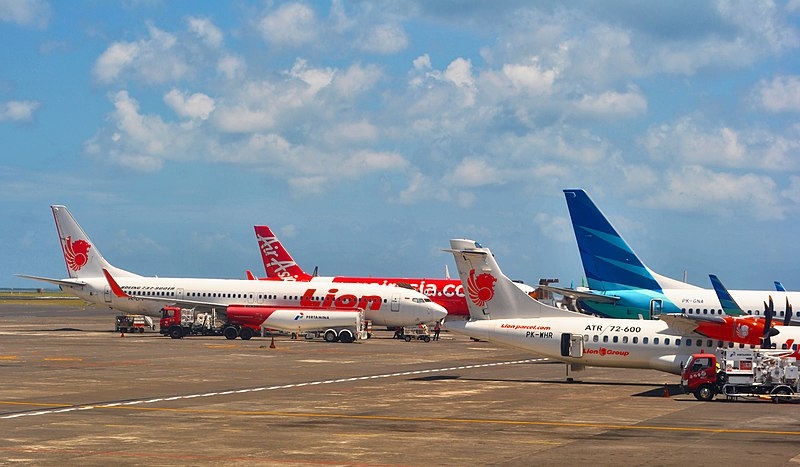
GWK Cultural Park Operations Director, Ch. Rossie Andriani explained that the drop in visitors was primarily due to a decline in domestic tourists. He added that high airfare prices are believed to be contributing to the decline.
”From the first semester through July 2026, our daily visitor numbers at GWK were around 3,000, though there was a slight surge to between 3,500 and 4,000 visitors in late June and July,” Andriani explained on Friday, 31 July 2026.
According to Rossie, high airfares have influenced the flow of tourists to Bali, thereby contributing to the decline in domestic visitor numbers at GWK.
”Compared to the previous year, there has been a slight decline, though not a massive one. We know airfares have skyrocketed, and that certainly has an impact; in percentage terms, the drop is around 20%,” she said.
Despite the decline, domestic tourists remain the dominant visitor group at GWK. Meanwhile, the international visitor market for GWK is driven by tourists from Australia, India, Korea, and China.
The current situation has prompted GWK to seek strategies to maintain visitor numbers, particularly from the domestic market.
One initiative being undertaken by GWK is inviting public schools—ranging from kindergartens and elementary schools to high schools—from across Bali to visit GWK.
The program targets students who have not yet had the opportunity to visit GWK Cultural Park. In addition to introducing GWK to Bali’s younger generation, the program aims to help sustain visitor numbers.
”Recognizing that not all Balinese residents have had the chance to visit GWK, we are offering special rates for schools in Bali; in fact, elementary schools can even register for free visits—though these group slots are subject to slot availability. For instance, we are already fully booked through October. The response has been quite positive. We hope to attract visitors not just from South Bali, but also from West and East Bali,” she explained.

Looking ahead to August 2026, GWK projects daily visitor numbers to remain between 3,000 and 3,500.
The management hopes to maintain these figures, even as concerns regarding airfare prices and domestic tourism market conditions persist.
Related Links
Villages at GWK Statue Threaten “Sit-in” Protest
Garuda Wisnu Kencana Tickets Now Online
US$ 85 Million Lifestyle Mall Opens at Kura Kura Bali
Bali’s Airport Upgrading to Handle 32 Million Passengers Annually
Indonesia Targets 19.1 Million Foreign Tourists Arrivals in 2027
High Domestic Air Fares Place Bali Tourism Under Threat
Domestic Demand Boosts Hotel Occupancy
Stay Informed on Bali Tourism-Related News: Subscribe to Bali Update