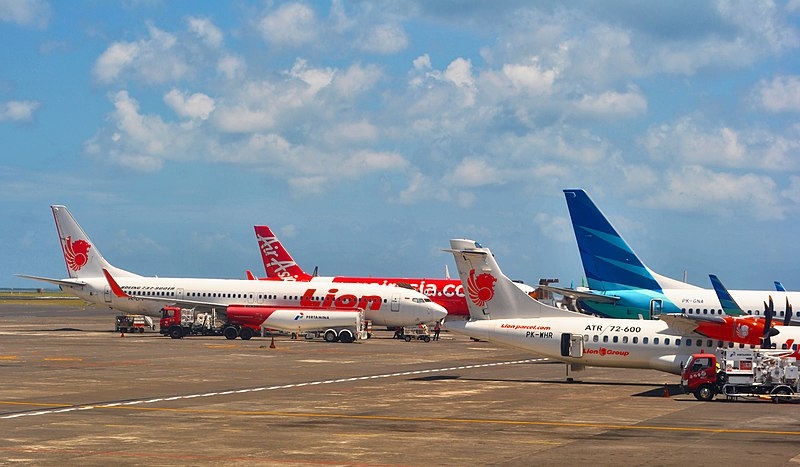
High RI Domestic Air Fares. Jakarta – Bali Tickets Reach Rp. 14 Million. Domestic Tourism Under Threat,
TRIBUN-BALI.com reports that the Ministry of Transportation has authorized a 50% increase in fuel surcharges on domestic airfares and maximum ticket prices.
The policy change follows recent steep hikes in the cost of aviation fuel prices, resulting from geopolitical tensions surrounding the US-Israeli attacks on Iran.
The average aviation fuel price in Indonesia on 01 May 2026 stood at Rp. 29,116 per litre. The Indonesian government has authorized the Scheduled Commercial Air Transportation Agency to apply a fuel surcharge of up to 50% of the maximum permitted airfare.
The increased fuel surcharge is authorized, effective 13 May 2026
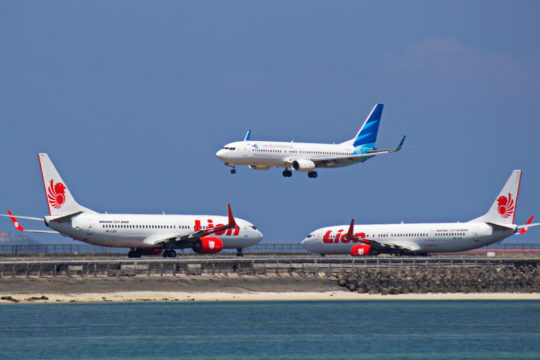
A Balinese politician and lawyer, Gede Pasek Suardika (GPS), expressed his frustration and disaffection with the current high domestic airfares. GPS has written that flights from Bali to Jakarta now cost between Rp 1.8 million and Rp 2.2 million for economy class, and between Rp 4 million and Rp 14.4 million for business class. Meanwhile, airline tickets for Lion Air, Citilink, AirAsia, NAM Air, and Super Air Jet are now priced at levels matching Garuda’s promotional prices. Garuda’s economy-class tickets are higher than Batik Air’s business-class tickets.
I
Pasek warned that Bali’s domestic tourism is at risk because people are reluctant to travel due to high ticket prices. “Airline prices are now out of control,” Pasek wrote in a Facebook post.
On 20 May 2026, a leading Online Travel Agency (OTA) is offering domestic travel from Bali to Jakarta for around Rp 1.6 million in economy class. That airfare was for one-way transportation on Lion Air. Business Class on Batik Air and Garuda Indonesia on the same date costs between Rp. 4 million and Rp. 14 million.
The Chairman of the Indonesian Empowered Consumers Forum (FKBI), Tulus Abadi, said on 17 May 2026 that such high airfares could discourage people from air travel. He also admitted that the increased fuel surcharge is due to cost pressures from high aviation fuel prices and is a necessary measure to ensure aviation safety.
The government is encouraging airlines to implement efficiency measures to reduce overall operational costs. Furthermore, Tulus proposed that the government consider offering discounts on airline tickets by reducing or eliminating VAT, given that this tax component is a significant factor in determining ticket prices. “The impact of VAT on airline tickets is very significant,” he said.
The final mitigation measure Tulus deems crucial is the provision of special subsidies for airlines serving 3T (outermost, frontier, and disadvantaged) areas. According to Tulus, in 3T areas, air transportation is often the only means of public mobility. “The government should, as much as possible, provide special subsidies to airlines serving 3T areas,” he said.
The Director General of Civil Aviation, Lukman F. Laisa, has explained that the fuel surcharge policy is a government-established mechanism to mitigate fluctuations in aviation fuel prices and maintain continuity of national air transportation services.
Airlines are required under law to list the fuel surcharge component separately on each passenger ticket in addition to the basic fare.
Related Links
Bali as Garuda Indonesia’s New International and Eastern Indonesia Hub
Bali Blames Economy & RI Policies for Business Downturn
PHRI: RI Hotel Occupancies Down 20% During Lebaran 2025
JKT Policy Change Leaves Bali’s MICE Sector Deflated
PHRI Prefers Government MICE Events
Domestic Demand Boosts Hotel Occupancy
Stay Informed on Bali Tourism-Related News: Subscribe to Bali Update