Kompas reports that the premium segment of Bali’s Hotel Industry is overhauling its market strategies.
This shift in focus and policy is moving away from the time-honored practice of chasing room occupancy and moving toward a renewed focus on profit optimization. Hotel industry observers view the phenomenon of new hotel openings and widespread rebranding throughout the first quarter of 2026 as evidence that hotel businesses now choose to revamp property identities to secure improved profit margins.
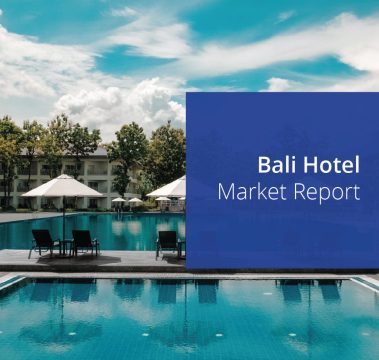
This repositioning of the hotel market reflects investor confidence in the soundness of Bali’s long-term tourism fundamentals. The luxury accommodation market in Bali remains robust, attracting new capital for high-end hotel development.
Colliers Indonesia projects a massive additional supply of around 1,623 new 5-star hotel rooms, scheduled to come online gradually from 2026 to 2029.
Millennial Generation and Mobilizing Gen Z: Millennial Capital is undergoing a fundamental shift in the competitive landscape of the hospitality business. Standardization of physical facilities and star-rating classifications are no longer the main attractions for securing the premium market.
Ferry Salanto, Head of Research for Colliers Indonesia, speaking on Wednesday, 26 July 2026, explained that hotel rebranding encompasses a shift from volume to profitability, asset value enhancement, repositioning through updated concepts, and adaptation to ever-changing demand patterns.
Ferry added that market demands have completely changed the parameters of the premium property industry. High-end consumers, now dominated by millennials and Gen Z, are demanding a much more specific ecosystem.
“The concept of luxury is now no longer solely defined by the scale of the project or the star classification, but is increasingly influenced by the elements of exclusivity, personalization, and experience on offer,” explains Ferry.

Ferry Salanto, Colliers Indonesia
Operational agility and strategy-changing market tastes have forced Bali’s hospitality business architecture to shift towards project development that emphasizes health (wellness) aspects, a private retreat atmosphere (retreat), as well as the curation of authentic experiences. The character of the modern traveler has been shown to prioritize meaningful, in-depth travel over generic grand amenities.
In the current competitive business climate, developers stuck on conventional management are assured of losing out to the competition. Operational agility, precise market positioning, and exclusive experience-based offerings became absolute requirements for sustaining financial performance.
“The execution of an effective rebranding strategy, optimization of operating costs, and the vigilance of identifying new demand niches became the hoteliers’ main stronghold in the face of the stiff competition of 5-star room supply that continues to flood the Bali market until 2029,” Ferry concluded.
Related Links
More Bali Visitors, But Staying for Shorter Periods
Travelers Abandon Bali for New Destinations
Bali Hotel Occupancy and Commercial Space Rental Lags
Anomalies in Bali Tourism – Arrivals Increase as Occupancies Plummet
Stay Informed on Bali Tourism-Related News: Subscribe to Bali Update